
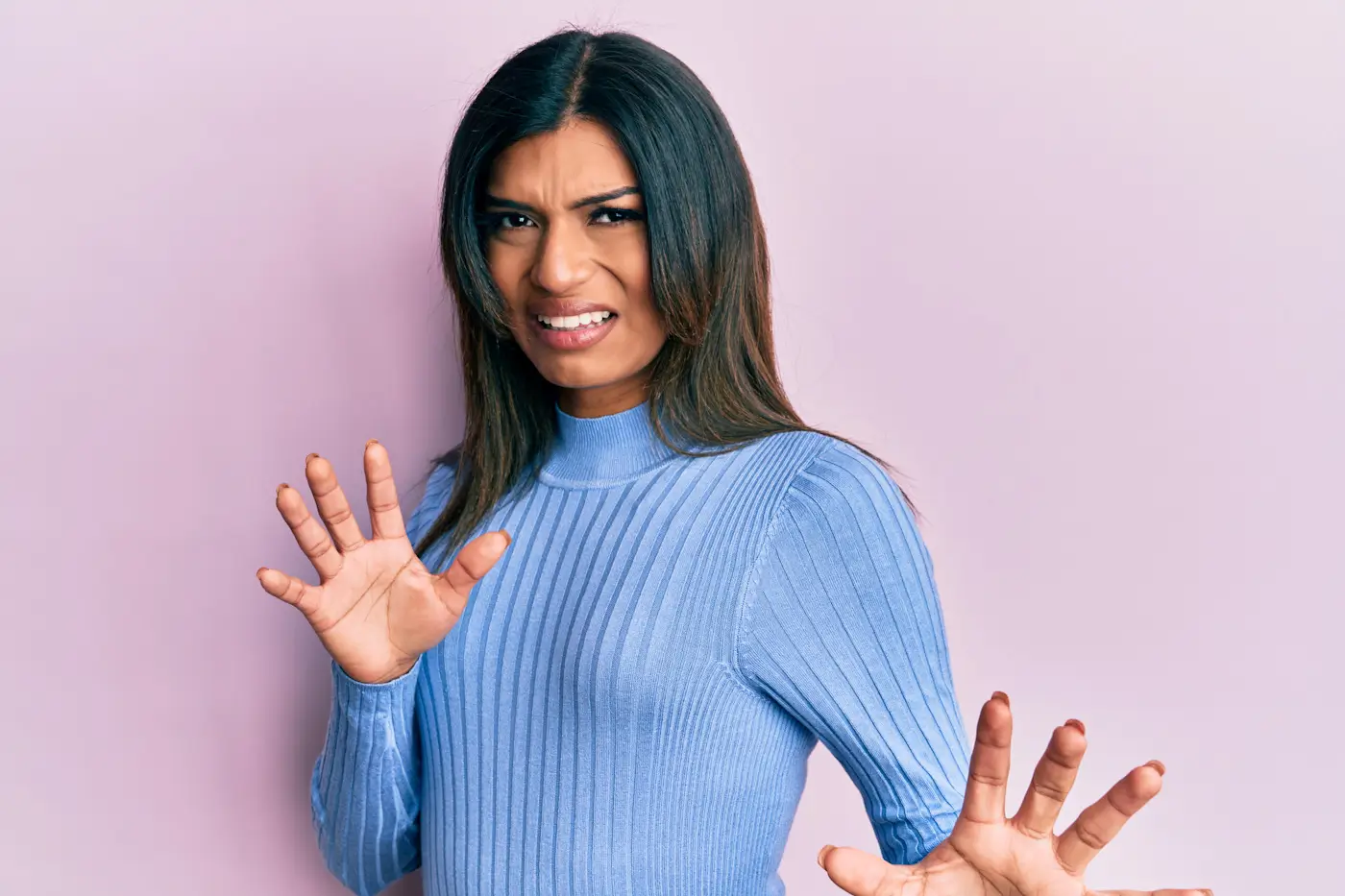
Rejection can feel awful. It stings, it bruises the ego, and sometimes it makes you want to shut the whole dating thing down. And when you’re trans, those moments can cut a little deeper. Not just because someone didn’t vibe with your personality, but because too often rejection gets tangled up with bias, misunderstanding, or worse… fetishization.
But here’s the thing: rejection is not proof that you’re unworthy of love. In fact, every “no” is just clearing space for the right “yes.” The question isn’t if rejection will happen in dating (because it happens to everyone), but how you can face it without losing yourself in the process. That’s where resilience comes in, or the ability to feel the sting, process it, and keep moving forward without letting bitterness or self-doubt take the wheel.
Understanding Rejection in Trans Dating
The reality is that rejection is part of dating for everyone. Cis, trans, gay, straight - it doesn’t matter. At some point, somebody isn’t going to choose us, and that’s just part of being human. But for transgender singles, rejection often comes with a heavier layer.
Sometimes it’s because the other person doesn’t understand what it means to date a trans partner. Sometimes it’s due to stereotypes or even flat-out prejudice. And honestly? Sometimes people just aren’t ready for the depth of connection you bring, and that’s on them, not you.
Do your best to remember that rejection doesn’t mean you’re “too much” or “not enough.” More often than not, it says more about the other person’s readiness, ignorance, or personal preferences than it does about your worth.
Emotional Impact: Why It Hurts More
We wish that rejection would just bounce off, but it doesn’t. It hits tender places. For many trans people, those “no’s” can stir up memories of other times we’ve felt unseen, misunderstood, or pushed aside. It’s not just about someone swiping left or ghosting after a date. It’s about what our nervous system remembers.
Think about it. If you’ve already faced rejection from family, friends, or society just for being who you are, every new rejection can feel like proof of that old story: “I’m not lovable. I don’t belong.” And that hurts on a deeper level than just a missed connection.
The sting is also sharper because dating asks us to bevulnerable. Putting yourself out there means saying, “Here I am, this is me.” When someone turns away, it can feel like they’re rejecting all of you, not just a moment of mismatch. That’s why it’s so important to separate the act of rejection from your identity. A no to a date is not a no to your worth.
Healthy Ways to Cope with Rejection
So how you handle that sting makes all the difference. Coping isn’t about pretending it doesn’t hurt; it’s about finding ways to feel the pain without letting it swallow you whole. Here are a few things that actually help:
- Give yourself space to feel. Cry if you need to. Vent to a friend. Journal it out. Shoving the feelings down only makes them pop up later in stronger, messier ways.
- Don’t take it personally. Rejection is rarely about your value as a person. It’s usually about compatibility, timing, or the other person’s readiness (or lack of it).
- Reframe the story. Instead of “They didn’t want me,” try, “That wasn’t my person, and that’s okay.” Every no clears the path for a yes that fits.
- Lean on support. Whether it’s friends, a trusted community, or an LGBTQ+ group, surround yourself with people who remind you that you’re lovable and valued.
- Detach with kindness. Resist the urge to lash out, stalk their socials, or spiral into overthinking. Protect your peace. It’s worth more than proving a point.
Coping well doesn’t mean rejection stops hurting. It means you recover faster, and you carry the lessons forward without letting the bitterness harden your heart.
Building Resilience for the Future
Resilience isn’t about being untouchable; it’s about bouncing back with a little more wisdom and strength each time. Think of it like emotional muscle. You don’t grow it by avoiding hard things, you grow it by working through them.
Here’s how to keep your spirit steady when rejection tries to knock you off balance:
- Strengthen your self-worth. Do the daily work like affirmations, journaling, or self-care rituals that remind you of your value outside of anyone else’s approval.
- Redefine success in dating. Instead of measuring “wins” by whether someone chooses you, measure it by whether you showed up authentically and honored your boundaries.
- Adopt a growth mindset. Each rejection isn’t failure. It’s data. It’s one more experience teaching you about what you need and deserve.
- Stay hopeful. Love isn’t scarce, and your story isn’t over. Holding onto hope doesn’t make you naïve. It makes you strong enough to keep going until the right person arrives.
When you learn to weave resilience into your dating life, rejection shifts from being a devastating end to just another step on the path. You stop seeing it as “proof you’re unlovable” and start seeing it as “proof you’re brave enough to try.”
Spotting Red Flags vs. Healthy Rejection
Not all rejection looks the same. Some of it can be handled with grace, while other types are flat-out harmful and need to be called what they are. Learning to tell the difference helps you protect your peace and avoid carrying someone else’s baggage on your back.
Red Flags in Rejection:
- Disrespectful comments about your identity or body.
- Fetishization… when someone makes you feel like an “experiment” instead of a person.
- Ghosting after intimacy without explanation.
- Misgendering you (on purpose) or dismissing your boundaries.
These kinds of “rejections” are toxic because they don’t come from compatibility; they come from ignorance, prejudice, or objectification. None of that belongs to you, and none of it reflects your worth.
Healthy Rejection Looks Different:
- Someone says they don’t feel a romantic spark but does so kindly.
- They’re honest about not being ready for a relationship.
- They acknowledge your value but recognize you’re not the right fit.
This type of rejection stings, yes, but it’s rooted in respect. It shows the other person understands you deserve honesty, not games.
The key takeaway? Red flags reveal who doesn’t deserve your time. Healthy rejection, on the other hand, is part of the dating process and it leaves the door open for the right connection to eventually walk through.
Finding Strength Beyond Rejection
Rejection in trans dating can feel heavier than most people realize, but it doesn’t get the final say. Every “no” is just a step on the path toward the “yes” that truly fits. The sting is real, but so is your resilience.
Remember, rejection isn’t a verdict on your value; it’s information. It’s someone showing you they weren’t the right person, which clears space for someone who will celebrate you exactly as you are. When you process the pain, protect your peace, and keep showing up authentically, you shift from feeling defeated to standing empowered.
Dating as a transgender single takes courage. And the fact that you’re willing to risk rejection at all? That’s proof of your strength. Keep going. Love isn’t just possible… it’s waiting.



 English
  French
  German
  Spanish
  Portuguese
  Dutch
Dutch