Community Guidelines | Dating Safety Tips
Transgender Chat Site for Private Messages and Real Connection
MyTransgenderCupid is a transgender chat site for trans women and respectful partners who want private conversation, profile-based matching, and a better path toward real connection. Instead of random public chat or swipe-heavy noise, the focus is on meaningful transgender chat that feels calmer, safer, and more intentional from the start.
If you want to chat with trans women online in a way that supports trust, privacy, and genuine compatibility, this page explains what transgender chat means, how it works here, why moderation and profile approval matter, and how respectful messaging can grow into something serious.
Last updated: March 27, 2026 | Prepared by: Stefan | Reviewed for clarity and safety: MyTransgenderCupid Editorial Team
What Is Transgender Chat?
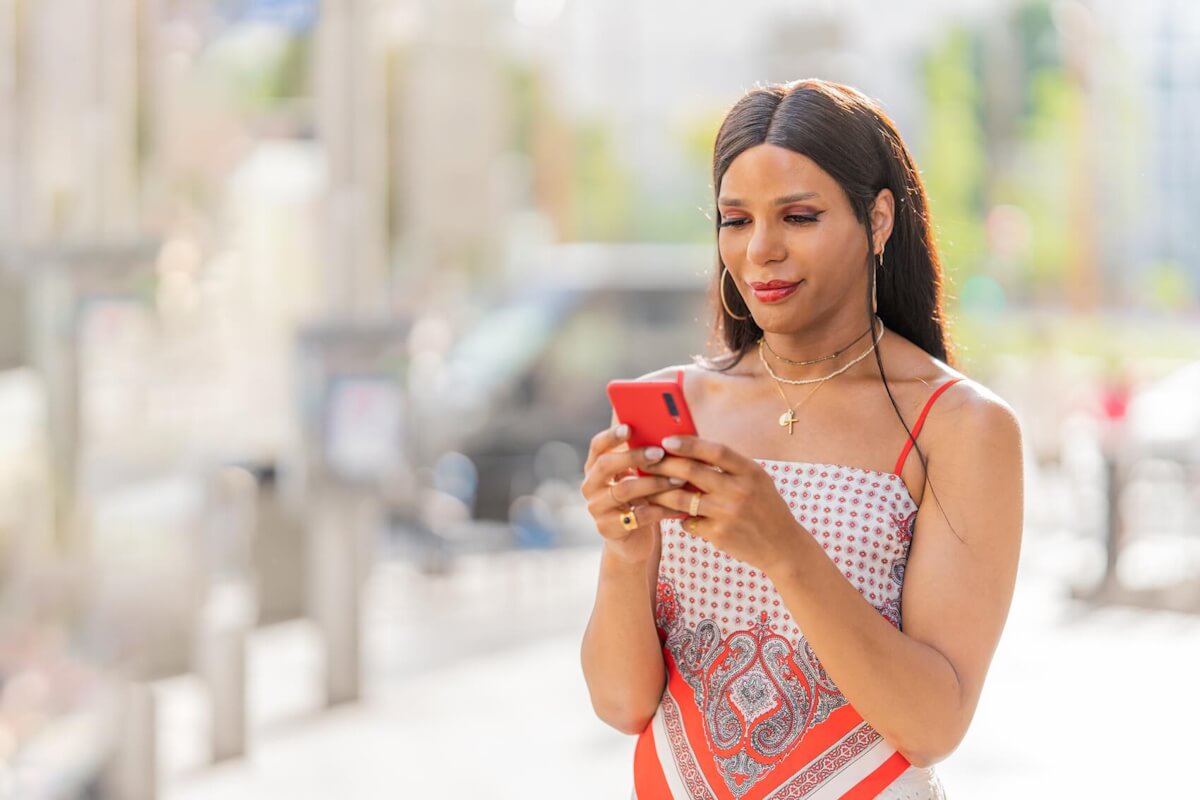
Transgender chat is online conversation built for trans people and the people who want to connect with them respectfully. Depending on the platform, that can mean private messaging, profile-based discovery, community interaction, or dating-focused chat that helps people get to know each other before meeting offline.
For many users, transgender chat is not only about sending messages. It is about finding a space where conversation feels more relevant, more private, and more respectful from the start. That is why people often look for profile-based connection, private chat, moderation, and better control over who they talk to.
What people usually mean
- Private online conversation with trans people
- Profile-based transgender chat instead of anonymous public chat
- A safer way to chat with trans women online
- Meaningful chat that can lead to dating, friendship, or relationships
- A calmer alternative to random chat rooms or swipe-driven apps
How it works here
At MyTransgenderCupid, transgender chat is built around profiles, compatibility, and relationship intent. Instead of random public chat or anonymous noise, the platform supports private messages, respectful interaction, and a more serious path toward real connection for trans women and respectful partners.
Built for
Trans women and respectful partners who want private, profile-based, relationship-minded conversation.
Who Transgender Chat Is For
Meet trans women in a space designed for people who want respectful online conversation with better intent and more clarity. On MyTransgenderCupid, that includes trans women who want a safer place to connect, and respectful partners who are genuinely interested in real communication instead of random attention.
Some members want serious relationships. Others want to begin with conversation, build comfort, and see whether compatibility grows naturally. In both cases, the platform works best for people who value privacy, patience, and profile-based connection over anonymous chat or instant-pressure messaging.
Best Fit Framework
- Trans women looking for safer, more respectful online conversation
- Respectful partners who want genuine connection instead of random chat
- Relationship-minded members interested in trust, compatibility, and real communication
- People who prefer profile-based discovery over anonymous public chat spaces
- Members who want calmer pacing instead of rushed or shallow interaction
- Anyone who values privacy, moderation, and clear boundaries from the beginning
A practical fit check
If you want to chat with trans women online in a way that feels more sincere, more mature, and more relationship-focused, this space is designed to support that kind of interaction from the beginning.

Why MyTransgenderCupid Is a Better Transgender Chat Site
People searching for transgender chat are not only looking for a place to send messages. They are looking for a transgender chat site where conversation feels more private, more respectful, and more intentional from the start. The quality of the environment shapes every message that follows.
MyTransgenderCupid offers a calmer alternative to random chat rooms, anonymous public spaces, and swipe-heavy apps. It is a private, profile-based transgender chat environment for trans women and respectful partners who want more context before they start talking. That makes it easier to build trust before dating instead of feeling pushed into fast, shallow interaction.
Why it feels different
- Calmer than random public chat spaces
- Private, profile-based transgender chat
- Built for trans women and respectful partners
- Trust before dating and pressure-free connection
- Better context before conversations begin
What that supports
- More grounded and emotionally safer conversations
- Time to browse and reply at your own pace
- More confidence before starting private chat
- Compatibility-led interaction instead of random attention
- A stronger foundation for meaningful connection
Because the site is designed around real profiles and relationship intent, transgender chat here feels more grounded and more credible. People can browse at their own pace, start chatting when there is real interest, and let compatibility guide the conversation.
FAQ: Why better transgender chat matters
It combines private, profile-based messaging with moderation, clearer member context, and a calmer tone. That helps create more trust, less noise, and better conversation from the beginning.
Yes. Instead of anonymous drop-in chat, MyTransgenderCupid focuses on profiles, compatibility, and more intentional conversation that can lead to something meaningful.
Profile-based chat gives people more context before they start talking. That helps conversations feel more relevant, more respectful, and less shallow from the start.
Trans women and respectful partners who want real communication, better boundaries, and a calmer path toward compatibility usually benefit most from this environment.
Yes. In many cases, calmer, more respectful conversation is exactly what helps trust build naturally and gives meaningful relationships a better foundation.
How Transgender Chat Works for Real Connection
The experience is simple, clear, and low-pressure. You create a profile, set your preferences, browse compatible people, and start private transgender chat when someone feels right. The goal is not endless noise. The goal is to help trans women and respectful partners browse profiles, send thoughtful messages, and build genuine connection through conversation first.
When the process is built around compatibility and profile-based discovery, conversation becomes more relevant and more comfortable from the start. That makes it easier to move at a natural pace and connect with more intention.
How it starts
- Create a profile that shares who you are and what matters to you
- Set preferences around compatibility and relationship goals
- Browse approved members at your own pace
- Discover people through profiles before starting private chat
- Let conversation grow from real interest instead of random attention
What it supports
- More relevant transgender messaging
- Less noise than public chat spaces
- More confidence before starting private conversation
- Thoughtful messages instead of rushed interaction
- Genuine connection through conversation first
Real connection often starts with one thoughtful message and grows through steady, respectful transgender chat instead of public noise or pressure.
Chat With Trans Women in a Calm, Respectful Space
There is a real difference between random attention and meaningful conversation. MyTransgenderCupid is built for the second. If you want to chat with trans women online in a way that feels sincere, private, and emotionally mature, the quality of the space matters as much as the messaging itself.
On many platforms, people are pushed into shallow interaction, rushed replies, or conversations with very little context. Here, serious transgender chat is connected to compatibility, profile-based discovery, and relationship intent. That makes it easier for trans women and respectful partners to ask real questions, show genuine interest, and build comfort before anything becomes more personal.
Better transgender chat does not come from more noise. It comes from a respectful chat space where people can browse profiles, start private messages with purpose, and see whether a real match is possible. That is what makes conversation here feel different from random chat rooms, anonymous spaces, or swipe-driven apps built more for speed than for substance.
What better chat looks like
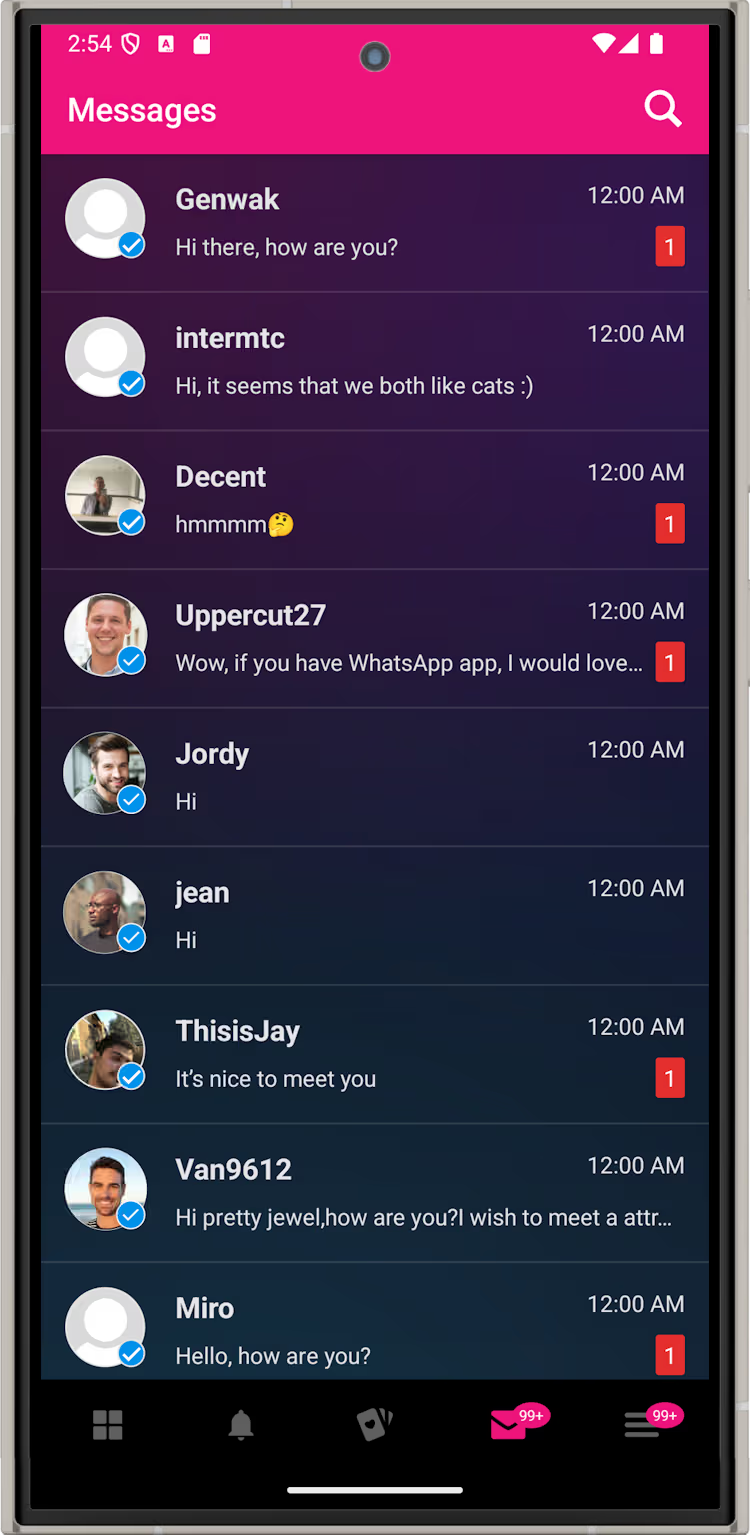
- Meaningful conversations with more room for sincerity and curiosity
- Respectful interaction built for trans women and respectful partners
- More profile-based discovery and real context before messaging
- Private messages with purpose instead of random drop-ins
- Real relationship potential instead of shallow speed-driven interaction
- A calmer environment for genuine comfort and compatibility
- Conversation where trust begins, not just where messages end
- More substance than anonymous or swipe-heavy spaces
- Chat that supports real matches, not endless distraction
If you want to chat with trans women online in a way that feels more sincere, private, and emotionally mature, a respectful environment makes a real difference from the very first message.

Free, Private, Safe and Moderated Transgender Chat
People searching for transgender chat often want answers to four practical questions right away: Is it free, is it private, is it safe, and is it moderated? MyTransgenderCupid addresses each of those concerns directly so members can start talking with more confidence and less uncertainty.
It is free for trans women, which helps make the community more welcoming and easier to join. It is private because conversation happens through profile-based messaging rather than open public chat. It is safer because members can block, report, and interact within a more controlled environment. It is moderated because profiles are reviewed and member behavior is supported by clearer trust signals instead of leaving everything to chance.
That combination matters. A transgender chat site feels more credible when it reduces noise, gives people practical control, and makes respectful conversation easier to maintain over time.
What users want to know fast
- Free for trans women
- Private profile-based messaging
- Safer tools and stronger boundaries
- Moderation and reviewed profiles
- Less noise than public chat spaces
- More confidence before starting to talk
- Practical control over the conversation experience
- Respectful communication that is easier to maintain over time
Why this combination matters
These are the features people actively look for when choosing where to chat with trans women online. A more controlled, profile-based environment gives members better trust signals and a stronger foundation for real conversation.
| Feature | What MyTransgenderCupid offers | What more random spaces often feel like |
|---|---|---|
| Access | Free for trans women | Less welcoming or less balanced community access |
| Messaging style | Private, profile-based conversation | Public noise or random drop-in chat |
| Profiles | Approved members with more context | Less context and more uncertainty |
| Safety tools | Block and report tools | Fewer practical ways to manage concerns |
| Moderation | Supportive moderation and reviewed profiles | Everything left to chance |
| Conversation tone | Calmer and more respectful | Faster, shallower, or more chaotic |
| User intent | Relationship-first and compatibility-led | More random attention without context |
| Overall experience | More credible and easier to trust | Harder to control and less intentional |
| Community feel | Welcoming and profile-based | Anonymous and less grounded |
| Connection potential | Built for meaningful conversation | Built more for speed than substance |
FAQ: Free, private, safe and moderated chat
Yes. The platform is free for trans women, which helps make the community more welcoming, accessible, and supportive from the beginning.
Yes. Conversation happens through profile-based private messaging rather than open public chat, which makes it easier to talk with more confidence and less noise.
Members can block, report, and interact within a more controlled environment, and the platform uses profile review to support stronger boundaries and better trust signals.
It means profiles are reviewed and member behavior is supported by clearer trust signals instead of leaving everything to chance. That helps make the overall experience more credible and more respectful.
Because people want a transgender chat site that reduces noise, gives them practical control, and supports respectful conversation over time. The combination of free access, privacy, safety tools, and moderation helps deliver that.
We protect your privacy and keep your personal data secure — we never share it with third parties.
Keep it practical
People searching for transgender chat often want direct answers about cost, privacy, safety, and moderation. This platform is designed to answer those concerns clearly while keeping the overall experience centered on meaningful conversation.
Profile Approval, Privacy and Moderation
Trust should not be vague. It should be visible in how a transgender chat site works. MyTransgenderCupid uses profile review and moderation to help support a more thoughtful member environment from the beginning. Stronger member context plays an important role in creating a safer messaging experience with less noise, more clarity, and better boundaries.
1) Profile review
Profiles are checked to support a more intentional, respectful, and profile-based chat environment from the start.
2) Private messaging
Conversation can happen more naturally, more personally, and with less outside noise than in public chat spaces.
3) Block and report tools
Members have practical ways to protect their own space, manage boundaries, and respond to concerns quickly.
4) Privacy-minded design
A privacy-minded environment helps members manage their experience with more confidence and gives conversation room to develop at the right pace.
5) Supportive moderation
Moderation helps encourage better behavior and clearer expectations throughout the site.
6) Better trust signals
These protections help make MyTransgenderCupid a more credible place for private transgender chat and serious connection.
Privacy matters because real connection needs room to develop at the right pace. Conversation feels better when people know they have practical ways to protect their space and respond to unwanted behavior.
How to Chat Safely and Respectfully
Private messaging works best when safety, pacing, and respect are treated as normal parts of connection.
Good transgender chat is not only about finding someone attractive or interesting. It is also about how the conversation feels over time. Respectful messaging includes patience, clear boundaries, privacy, and the ability to move at a pace that feels comfortable for both people.
- Start with one thoughtful message instead of rushing intensity
- Use profiles and conversation to build trust before sharing private details
- Keep your pace steady if you are still getting comfortable
- Watch how the other person responds to simple boundaries or slower timing
- Avoid sending personal information just to keep someone interested
- Stay on-platform until you feel ready to move elsewhere
- Use block or report tools if someone becomes pushy, disrespectful, or manipulative
- Treat privacy as normal, not as something you need to apologize for
- Let respectful behavior over time matter more than fast chemistry
“A good chat experience is not about pressure or proving anything. It is about feeling comfortable enough to keep talking because the conversation stays respectful.”
A respectful person will usually handle privacy, boundaries, and slower pacing without making it a problem. If they resist those basics, that is useful information about the quality of the match.

On-Platform Safety on MyTransgenderCupid
On MyTransgenderCupid, safety is supported by simple tools and clear expectations: you can keep conversations respectful, reduce unwanted contact, and flag behavior that crosses lines. Staying on-platform longer can also help you maintain privacy while you decide whether the connection feels consistent.
As an informational reference, you can visit the MyTransgenderCupid home page to review broader site guidance and community expectations. Use it to understand the tone MyTransgenderCupid supports: privacy-first choices, respectful messaging, and relationship-minded communication.
Browse Transgender Chat by Country
Some people want local connection, while others are open to international chemistry. MyTransgenderCupid makes it easier to browse transgender chat by country, helping members explore different locations while staying focused on meaningful conversation and serious relationship potential.
- Browse profiles by country and explore different locations
- Stay focused on meaningful conversation and serious relationship potential
- Keep a wider view without losing the site’s personal tone
- Choose local connection or international transgender chat
- Let real connection begin with one thoughtful message


Local connection
Some members want to meet someone nearby and build connection close to home. Country browsing makes that easier while keeping the overall experience centered on profile-based conversation.
International chemistry
Others are open to international transgender chat and the possibility of connection across borders. The wider search view keeps the site open and hopeful without losing its more respectful tone.
Explore more
You can continue exploring through pages like Transgender Dating, Meet Trans Women, Trans Women Near Me, and International Transgender Dating, depending on the kind of connection you want to pursue.
Whether you want to meet someone nearby or start private transgender chat across borders, real connection can still begin with one thoughtful message.
FAQ: Transgender chat on MyTransgenderCupid
Yes. MyTransgenderCupid is built for transgender chat that can lead to real connection, not just random conversation. It is designed for trans women and respectful partners who want a calmer, more relationship-first experience with private messaging and stronger trust signals.
Yes. The platform is free for trans women, which helps make the community more welcoming, accessible, and supportive from the beginning.
Profile review helps support a more respectful environment by checking profiles before full participation. It is part of creating a safer transgender chat experience with more trust, better context, and less noise.
Yes. You can browse profiles by country and explore different locations, whether you want local connection or are open to international transgender chat.
The site supports privacy-minded transgender chat through profile review, moderation, and practical tools such as blocking and reporting. These features help members manage their experience with more confidence.
What Makes Respectful Transgender Chat Different From Random Chat Rooms or Swipe Apps?
Respectful transgender chat is more private, more intentional, and more profile-based. Instead of chasing attention in public or anonymous spaces, it gives trans women and respectful partners room to build trust, have meaningful conversations, and explore real relationship potential.
That difference is part of what makes MyTransgenderCupid feel calmer and more grounded than faster, noisier alternatives. The focus is not endless distraction. The focus is conversation that can actually go somewhere meaningful.
When chat is tied to compatibility, profile-based discovery, and relationship intent, it becomes easier to build comfort before anything becomes more personal. That creates a stronger foundation for real connection.
- More private conversation instead of public noise
- More intentional messaging instead of random attention
- Profile-based context before the first message
- Room to build trust and comfort naturally
- A better path toward meaningful conversation and real relationship potential
Better transgender chat does not come from more noise. It comes from a space where people can browse profiles, start private messages with purpose, and see whether a real match is possible.
Create your profile, browse compatible people, and begin private conversation in a calmer, more respectful space for trans women and respectful partners.